


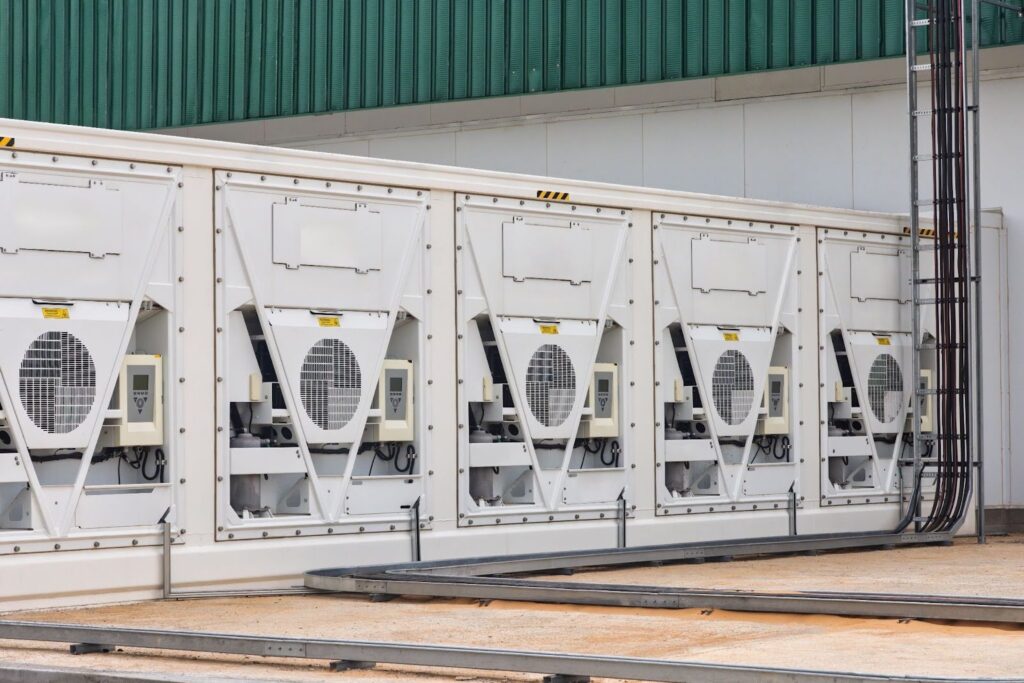
Refrigerated containers play a vital role in the global cold chain. They keep fresh produce, pharmaceuticals, and other perishables safe during transport and storage. As industries face growing pressure to cut emissions and energy use, sustainability in cold storage has become essential.
If you depend on cold storage in any way, it’s crucial to stay on top of the innovations making refrigerated containers greener and more reliable.
Why Sustainability Matters in Refrigerated Containers
Australia’s transport sector produces over 21% of national emissions and will likely become the country’s largest source by 2030. Transport refrigeration contributes about 2%, highlighting the cold chain’s growing impact and the urgent need for cleaner solutions.
Refrigerants add risk. Australia stores about 55,000 tonnes, mostly HFCs. Yet only 400–500 tonnes are safely destroyed each year, leaving significant potential for emissions through leaks or poor disposal.
Traditional refrigerated transport depends on diesel units that burn large amounts of energy. Combined with refrigerant leakage, the environmental toll is high. Businesses and consumers increasingly demand greener logistics, and agreements like the Paris Accord press industries to adopt sustainable refrigerated containers.
Energy Efficiency: Smarter Cooling for a Greener Future
Reducing energy use is at the core of sustainability in refrigerated containers. Advances in compressor technology and airflow design allow reefers to cool more efficiently. Modern units use eco-friendlier refrigerants, which have a lower impact on the environment compared to older gases.
Better insulation reduces cooling loss, which means less energy is needed to maintain stable temperatures. This improvement is especially important in hot climates, such as northern Australia, where reefers work harder to keep cargo cool.
Energy use is also a cost factor. A typical unit can draw 3 to 7 kWh per hour, depending on conditions. Poor insulation, blocked airflow, or old equipment drives these figures higher.
Learn more: The Most Common Ways to Save Money on Reefer Power Costs.
Renewable and Alternative Power Sources
Operators are cutting dependence on diesel generators to make refrigerated containers more sustainable. They now test solar panels, wind energy, and biofuels to power reefers more cleanly. Hybrid systems blend renewables with conventional power to keep performance reliable, even in remote locations.
These technologies slash emissions, especially in ports that already supply grid-based electricity. Over time, renewable-powered reefers could replace diesel almost entirely, delivering cleaner and cheaper cold storage.
Digitalisation and Smart Technology
Smart technology is changing how reefers operate. IoT sensors track temperature, humidity, and performance in real time, cutting spoilage and saving energy.
Predictive maintenance is another advantage. Sensors can detect when a part is under stress, prompting timely repairs before a breakdown occurs. Smarter controls also adjust cooling cycles based on cargo type and outside conditions.
Data analytics extend efficiency beyond the container itself. By optimising delivery routes, operators can cut travel distances and energy use. In Australia’s vast logistics networks, these savings add up quickly.
Sustainable Materials and Circular Economy Practices
Sustainability in refrigerated containers extends beyond energy. Manufacturers are now using more recycled steel and experimenting with natural materials like bamboo composites. These reduce reliance on virgin resources and cut production emissions.
Modular designs make containers easier to repair and refurbish, extending service life and delaying disposal. Operators convert retired reefers into storage units, cafes, or even housing. Businesses cut costs when they choose refurbished reefers.
Sustainable Refrigerated Container Hire Across WA and SA
Climatight offers refrigerated containers that give businesses a practical and greener choice over permanent cold storage rooms. Built for Australia’s tough conditions, each unit comes with food-grade stainless steel interiors, lockable doors, accurate climate control from -30°C to +30°C, and 24/7 support in metro areas.
| Size | Payload Capacity | Cubic Volume | Typical Uses | Power Setup |
| 10ft | 8,200kg | 13.55m³ | Catering, floristry, events | 3-phase, 32A plug |
| 20ft | 27,360kg | 28.3m³ | Food storage, wineries, and construction | 3-phase, 32A plug |
| 40ft | 27,700kg | 59.3m³ | Mining, bulk storage | 3-phase, 32A plug |
From farms and vineyards to event organisers and remote work sites, our containers provide secure, mobile refrigeration that helps reduce waste, extend product life, and cut reliance on energy-intensive permanent facilities.
Learn more: How to Save Costs with Used Refrigerated Containers.
Operational Best Practices for Sustainable Cold Storage
- Load efficiently: Arrange cargo to keep airflow unobstructed. Good airflow reduces energy waste and prevents hot spots inside containers.
- Monitor temperature: IoT sensors and analytics track conditions in real time, keeping cargo stable and reducing spoilage.
- Plan smarter routes: Avoid empty runs wherever possible. Better routing lowers operating costs and cuts unnecessary emissions.
- Maintain regularly: Inspect seals, fans, and refrigerant systems often. Quick fixes prevent small issues from becoming costly failures.
- Clean responsibly: Use eco-friendly cleaning products. They protect hygiene standards while lowering the environmental impact of servicing.
- Collaborate across the chain: Shippers, carriers, and ports that work together improve efficiency. Shared practices reduce emissions and strengthen sustainability across the cold chain.
Environmentally Friendly Features of Climatight Refrigerated Containers
Our refrigerated containers deliver reliable performance while helping businesses cut waste and reduce the footprint of cold storage:
- Wide temperature range: Operates from -30°C to +30°C, ensuring precise storage without unnecessary energy strain.
- Accurate humidity control: Maintains stable conditions that reduce spoilage and waste.
- Food-grade interiors: Stainless steel construction supports safe, hygienic storage across industries.
- Durable design: Weatherproof, highly secure containers built for long service life, reducing replacement needs.
- Flexible solutions: Hire options provide additional space without the environmental footprint of building permanent cold storage.
Moving Forward with Smarter Cold Storage
Refrigerated containers are becoming smarter and cleaner. New technologies cut emissions and costs, making sustainable cold storage better for the planet and profitability.
Ready to make your cold storage more sustainable? At Climatight Containers, we provide efficient and eco-friendly refrigerated containers tailored to your needs. Email us today at sales@climatight.com.au or call 0475 000 560 to explore solutions that support your green goals. Start reducing costs and emissions with smarter cold storage.