


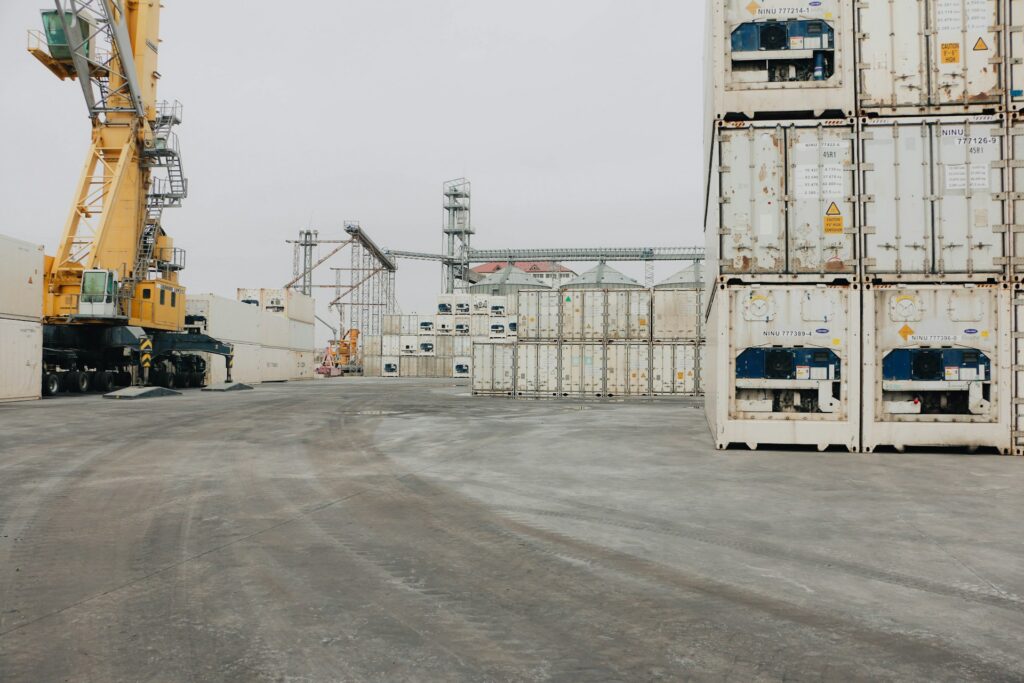
Businesses that handle perishable goods depend on reliable cold storage to keep their products fresh, safe, and compliant. Choosing between refrigerated containers and traditional cold storage facilities can have a major impact on cost, flexibility, and efficiency.
Modern businesses are turning to portable cold storage for a reason. Refrigerated containers provide mobility, energy savings, and versatility that fixed warehouses can’t match. Let’s explore which option delivers the best results.
What Are Refrigerated Containers?
Refrigerated containers, often called reefers, are portable, self-contained cold storage units that maintain precise temperature control. They are available in different sizes, including 10ft, 20ft, and 40ft containers, and can be delivered directly to your site.
Businesses can choose refrigerated container rental for short-term use or invest in refrigerated containers for sale for long-term storage. These units are perfect for events, catering, shipping, or on-site business operations that need flexible cold storage without the cost of permanent infrastructure.
Learn more: Understanding Temperature Control: What Makes a Refrigerated Container Efficient?
What Is Traditional Cold Storage?
Traditional cold storage facilities are large, fixed warehouses designed for long-term bulk storage. They are suitable for companies with predictable, high-volume cold storage needs.
However, third-party warehouses require significant upfront investment, strict long-term contracts, and extra transport costs to move goods between sites. These factors reduce flexibility and often make the model less economical for small to mid-sized businesses.
Flexibility and Mobility
Refrigerated containers offer outstanding mobility. They can be delivered anywhere and easily relocated as your business grows or shifts. Event organisers, caterers, and seasonal producers benefit from their flexibility.
These containers are ideal for industries with changing storage needs. A seafood distributor in Perth, for example, can use a container on-site during peak fishing months and return it when demand drops.
Traditional warehouses remain in one location. Businesses must transport goods to and from the facility, which adds time and fuel costs. This setup can create inefficiencies for mobile or regional operations.
Cost Considerations
Refrigerated containers offer affordable access to cold storage. Businesses can rent or buy units without long-term commitments. Rental plans allow companies to scale up or down depending on demand.
Transport costs are minimal since containers can sit directly on-site. You pay only for the space you use, avoiding the overheads of warehouse leases and maintenance.
Traditional cold storage facilities involve high upfront and ongoing expenses. Leasing space, maintaining temperature zones, and paying for constant energy use quickly increase costs. Long-term contracts limit flexibility and make it harder to adjust to changing demand.
In Australia, studies estimate that inefficiencies in cold storage, handling, and transport cost the economy about AUD $3.8 billion each year.
Energy Efficiency and Technology
Refrigerated containers today come equipped with advanced, energy-efficient cooling technology. Remote monitoring systems allow precise control of temperature and humidity, reducing energy waste and improving product safety.
Because containers cool smaller spaces, they consume less power than large cold storage warehouses that must maintain vast areas at constant temperatures. Climatight’s refrigerated sea containers operate efficiently between -30°C and +30°C, even in Australia’s harshest conditions.
In contrast, traditional facilities can be less adaptable and require high energy input to maintain multiple zones. Upgrading technology in older buildings is often expensive and disruptive.
Learn more: Sustainability in Cold Storage: How Refrigerated Containers Are Going Green.
Scalability and Capacity
Refrigerated containers scale easily with business growth. Need more space? Add another container. Need less? Return one after peak season. This modular approach allows you to expand or reduce capacity without new infrastructure.
Traditional cold storage lacks this agility. Scaling up means renting additional warehouse space or signing new contracts, often with higher costs and longer lead times.
For growing businesses or those testing new markets, refrigerated containers provide unmatched scalability.
Maintenance and Reliability
Modern refrigerated containers offer strength and deliver consistent performance. They handle temperature changes, vibration, and long-term use with ease. Regular checks of seals, airflow, and power keep them running efficiently.
Many models include smart monitoring for quick issue detection. Climatight’s reefers feature emergency alarms and 24/7 support, reducing downtime. Traditional cold storage, however, often needs specialist maintenance and planned shutdowns, raising costs and causing delays.
Sustainability and Energy Use
According to the Supply Chain and Logistics Association of Australia (SCLAA), modern energy-efficient solutions can cut power use by up to 40% compared to traditional solutions.
Sustainability now drives decision-making across industries. Refrigerated containers support this shift by using less energy per cubic metre and reducing heat loss through superior insulation.
Keeping goods on-site also lowers transport emissions by shortening delivery routes. Traditional cold storage warehouses, on the other hand, use far more energy and remain less sustainable in the long run.
Refrigerated Containers vs. Traditional Cold Storage: Which Is the Best Option?
The table below compares refrigerated containers and traditional cold storage across key factors:
| Aspect | Refrigerated Containers | Traditional Cold Storage |
| Mobility | Portable and relocatable. | Fixed in one location. |
| Cost | Low setup cost, flexible rental. | High setup and energy costs. |
| Scalability | Add or remove units easily. | Expensive to expand. |
| Energy Use | Efficient for smaller spaces. | Power-intensive for large areas. |
| Maintenance | Easy on-site servicing. | Requires specialist teams. |
| Flexibility | Ideal for short-term or remote use. | Suits long-term bulk storage. |
| Sustainability | Lower emissions and energy loss. | Higher carbon footprint. |
Where to Find Reliable Refrigerated Containers for Sale?
Keep your goods at the perfect temperature with Climatight’s 20ft refrigerated sea containers. Built to perform in Australia’s toughest conditions, each unit maintains precise temperature control from -30°C to +30°C, ensuring freshness, safety, and compliance.
Whether you need refrigerated container rental or long-term purchase, our containers provide energy-efficient cooling, durable construction, and precise humidity control. They are ideal for food, pharmaceuticals, and event storage.
The Smart Choice for Modern Cold Storage
Refrigerated containers offer flexibility, energy efficiency, and scalability unmatched by traditional cold storage. They meet the demands of today’s fast-paced industries while reducing costs and supporting sustainable business practices.
Explore refrigerated containers from Climatight Containers. Contact sales@climatight.com.au or call 0475 000 560 today to secure a refrigerated container that protects your products, strengthens your business, and keeps your operations moving without compromise.