


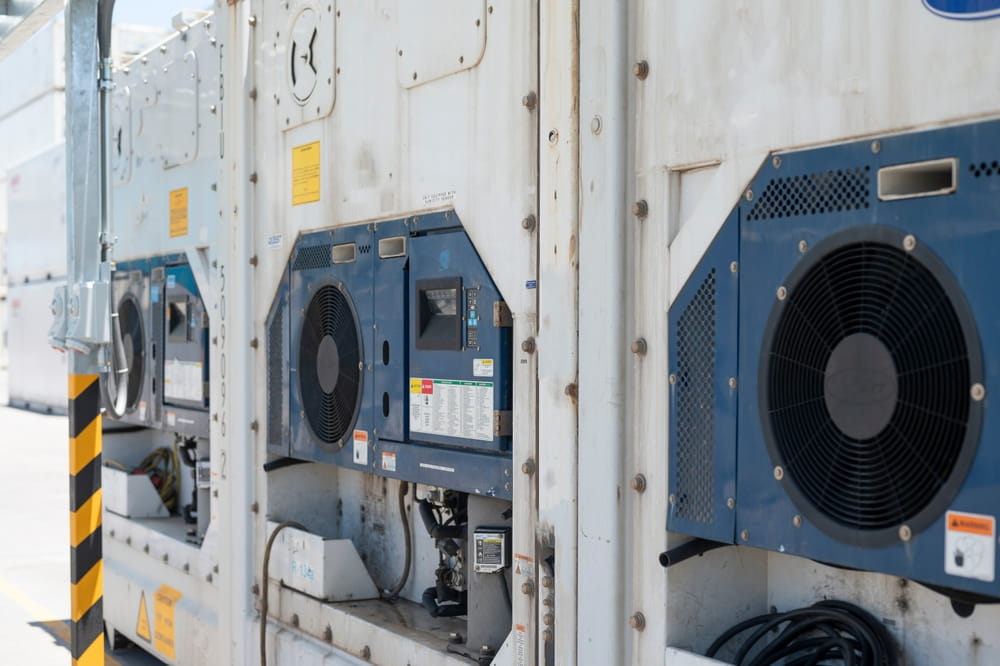
Australia’s cold chain logistics market is growing. So is the demand for cost-effective cold storage. From food producers and supermarkets to mining, catering and hospitality, more industries are turning to refrigerated containers as a flexible, scalable solution. A second-hand reefer container can cost 20–50% less than a new unit, making it an attractive option for budget-conscious operations.
However, not all used units are reliable. Knowing how to inspect second-hand reefer containers will prevent you from wasting money and spoiling valuable stock.
Why Choose a Second-Hand Reefer Container?
A second-hand refrigerated sea container can do the same job as a new unit at a fraction of the cost. But only if it’s been properly maintained.
They are also typically available faster. Rather than waiting weeks for new stock, you can usually take delivery within a few days. For a business managing seasonal peaks, overflow stock or a sudden cool room failure, that quick turnaround matters.
Last but certainly not least, buying a second-hand reefer container means one less unit in landfill. Reusing containers lowers the lifetime carbon footprint and reduces the need for raw materials.
The Benefits of Buying New
While a good quality second-hand reefer container performs reliably, it’s worth mentioning that a new unit comes with a few benefits out of the box:
- Longer lifespan
- Less maintenance
- Warranty period
- Customisation options
- More efficient cooling
However, shipping containers are designed to withstand years of heavy use. Even after 10–15 years in service, many remain structurally sound and suitable for storage applications.
Here’s how to know that you’re buying the right unit.
Start Outside: Inspect the Shell and Frame
Walk the perimeter before you open a door. The container’s external structure is your first line of defence, impacting insulation and long-term durability.
Exterior Condition
Inspect the container walls carefully, looking for:
- Major dents or impact damage, especially in the corner posts and bottom rails
- ‘Delamination,’ bubbling or raised panels where the outer skin and insulation have separated
Surface rust is common and generally nothing to worry about. But structural corrosion is a sign to walk away.
The Roof
The roof is often overlooked but critical. There are two main things to check for:
- Pooling water marks and signs of previous leaks. Water ingress can damage insulation and internal components over time.
- Patch repairs or sealant. A patch isn’t always a problem, but you should ask what happened.
If the outside looks good, swing open the door and step inside.
The “Light Test”
This is a simple one that most buyers skip. Close the container doors and let your eyes adjust. Any pinholes of light mean holes in the shell where warm air, moisture and pests can get in.
No light should come through. If it does, move on or account for the repair in your offer.
Insulation and Door Seals
This is where many second-hand reefer containers fail. Damaged insulation is hard to spot, but it’s just as important as structural integrity. Check for:
- Soft spots in walls (possible insulation damage)
- Signs of moisture ingress
- Uneven internal surfaces
Any weak spots force the refrigeration unit to work harder to maintain temperature. That means higher running costs and faster motor wear.
Door Gaskets and Seals
Door seals are a common failure point in second-hand reefer containers. Run your hand along the full perimeter, checking for brittle rubber, cracks or flat sections that no longer spring back.
Flooring
Most reefers use T-bar aluminium flooring with raised ribs to create airflow channels beneath your cargo. Look for debris packed into those channels, bent or sagging sections, or evidence of impact damage. Blocked airflow means uneven temperature distribution.
The Refrigeration Unit
The machinery is the most valuable component of any second-hand reefer container. It’s the most expensive to replace, so you should spend time checking it properly.
Start with a basic visual check for warning signs:
- Oil stains (possible refrigerant leaks)
- Corrosion on electrical components
- Loose or damaged wiring
- Frayed or damaged power cables
- Incompatible or damaged three-phase plugs
Next, power up the unit and look at the display. This is where things start to get technical.
Error codes aren’t always a deal-breaker, but you need to know what they mean before you buy. You should also confirm that the controller reads the internal temperature correctly and responds to set-point changes.
The PTI (Pre-Trip Inspection)
A PTI report is a formal diagnostic run on the refrigeration unit that tests every major system: compressor, evaporator, condenser, alarms and controls.
A reputable supplier will have a recent PTI on file. If they don’t, that’s a red flag.
Cleanliness and Previous Use
A second-hand reefer container needs to be food-grade clean before it stores your product.
Trust your nose on this one.
- A chemical smell could indicate the unit was previously used for non-food goods
- Mould, food residue or standing moisture are warning signs
- Visible stains could be a sign of a hidden issue
Don’t Forget the Floor Drains
Blocked drains lead to ice build-up and mould growth, both of which affect hygiene and airflow. Check for standing water or obstructions. Clear drains are a good sign that the container has had preventative maintenance.
Sizing and Suitability
Each size of refrigerated sea container offers different capacity and footprint considerations, so match the container to your operational needs.
- 10ft refrigerated containers: Ideal for smaller operations or limited space.
- 20ft refrigerated containers: The standard size, suitable for most cold storage requirements.
- 40ft refrigerated containers: Better for high-volume storage or logistics.
Keep in mind that there are variants that might better suit your operation:
- High cube containers have an extra 300mm of vertical space.
- Pallet-wide containers fit two standard CHEP pallets side-by-side.
Size matters because a half-empty container is less efficient and costs more to run, while an undersized one may not hold temperature consistently under full load.
Questions to Ask Before You Buy
Before finalising any purchase, get clear answers to these:
- What is the container’s age and history?
- Has it been regularly serviced and is there a service record?
- What temperature range can it reliably maintain?
- Is there a warranty or after-sales support?
A reputable seller with nothing to hide will be happy to answer your questions.
Don’t Gamble, Buy Second-Hand Reefer Containers From a Specialist
Buying a second-hand reefer container from a private seller can be risky. Without a PTI, service history, after-sales support or professional accountability, you have no way to know what you’re getting.
Bottom line? If the deal looks too good to be true, it probably is. A unit that saves you $3,000 upfront but needs $5,000 in refrigeration repairs within six months is not worth your time.
Why Buy From Climatight
At Climatight Containers, we almost always have second-hand reefer containers for sale in a wide range of sizes and configurations.
We can help you find the right-sized unit for your needs and modify it with ramps, shelving, custom doors, curtain strips, lighting or ventilation before delivery.
Our in-house refrigeration experts inspect every second-hand reefer container before offering it for sale. You get a detailed report and a thorough handover, including warranty and maintenance information.
And in the rare case that something goes wrong, we provide after-sales support in all Australian metro areas.
If you’re in the market for reliable second-hand reefer containers in Australia, call Climatight Containers on 0475 000 560 or email sales@climatight.com.au to find out what’s in stock.