


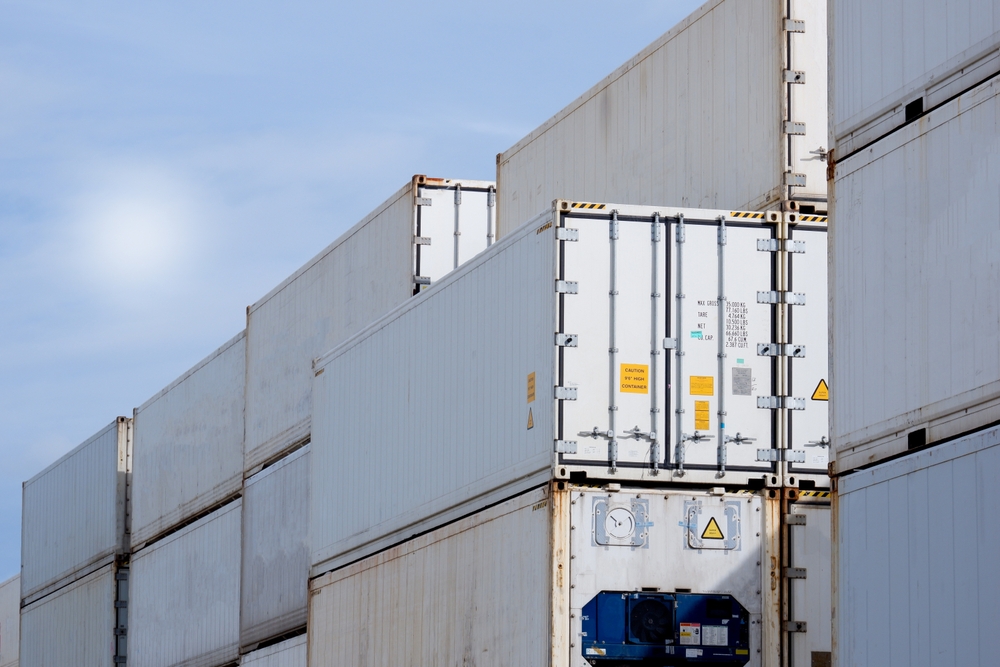
Understanding refrigerated container sizes is essential for businesses in the food, pharmaceutical, or other industries that need temperature-controlled storage.
At Climatight Containers, we provide refrigerated containers from compact 10-footers to spacious 40-foot units. Choosing the right size can be tricky, but we’re here to help.
What are refrigerated containers?
Refrigerated containers, or “reefers,” are shipping containers with built-in refrigeration units to maintain controlled temperatures. They’re ideal for transporting and storing temperature-sensitive goods, widely used in industries like:
⛏️ Mining: Store food and temperature-sensitive materials safely at remote mining sites.
🏗️ Construction: Keep construction materials and workers’ food cool on-site.
🍎 Food and Beverage: Maintain freshness for fruits, vegetables, dairy, and beverages.
🍷 Wineries: Ideal conditions for wine storage and aging.
🥘 Catering: Keep catered food fresh for large events.
💐 Florists: Extend flower lifespan with controlled storage.
Learn more: How Do Refrigerated Shipping Containers Work? and Climatight’s Reefer Containers FAQ.
Types of refrigerated containers
Let’s dive into the different sizes available and what they’re best suited for.
Here is a table summarising the dimensions and cubic capacities of the refrigerated containers:
| Container Size | External Length (mm) | External Width (mm) | External Height (mm) | Internal Length (mm) | Internal Width (mm) | Internal Height (mm) | Cubic Capacity (m³) |
| 10ft | 2,990 | 2,440 | 2,590 | 2,280 | 2,290 | 2,270 | 13.55 |
| 20ft | 6,060 | 2,440 | 2,590 | 5,190 | 2,290 | 2,270 | 28.3 |
| 40ft | 12,190 | 2,440 | 2,900 | 11,590 | 2,290 | 2,590 | 59.3 |
Let’s investigate how these containers compare when it comes to weight, capacity, and electrical requirements:
| Container Size | Tare Weight (kg) | Payload Capacity (kg) | Max Gross Weight (kg) | Cubic Capacity (m³) | Electrical Specs |
| 10ft | 1,900 | 8,200 | 10,100 | 13.55 | Three Phase, 380/460V, 32A, 50/60Hz, 4/5 Pin Wilco Type Plug |
| 20ft | 3,120 | 27,360 | 30,480 | 28.3 | Three Phase, 380/460V, 32A, 50/60Hz, 4/5 Pin Wilco Type Plug |
| 40ft | 3,800 | 27,700 | 31,500 | 59.3 | Three Phase, 380/460V, 32A, 50/60Hz, 4/5 Pin Wilco Type Plug |
Learn more: How Are Refrigerated Containers Powered?
Ideal uses for each refrigerated container size
Choosing the right size refrigerated container depends on your specific storage and transport needs:
10ft refrigerated container
The 10ft refrigerated container suits small businesses with limited storage needs or space, such as cafes, restaurants, and small-scale caterers. Its compact size makes it perfect for urban locations with tight spaces or as an additional storage solution during peak seasons.
This container provides a controlled environment for perishable goods without taking up too much space.
20ft refrigerated container
The 20ft refrigerated container is ideal for medium-sized operations needing more storage capacity without compromising space. Supermarkets, food distributors, and pharmaceutical companies often use this container to store temperature-sensitive goods.
The container balances size and capacity well, making it suitable for transporting goods over short to medium distances or on-site cold storage.
40ft refrigerated container
The 40ft refrigerated container serves large-scale operations such as international shipping, large food manufacturers, and cold storage facilities. Its extensive cubic capacity allows businesses to store and transport a substantial volume of temperature-sensitive goods.
This size is well-suited for long-haul transportation across states or continents, ensuring that goods remain fresh and safe throughout the journey.
Factors to consider when choosing a refrigerated container size
1. Volume of goods
The first step is to assess the goods you need to store or transport. Consider not just the current volume but also potential future growth. It’s often better to have extra space than to run out quickly.
To match container size to your volume requirements:
– 10ft refrigerated container: Suitable for up to 13.55m³ of goods
– 20ft refrigerated container: Can handle up to 26.98m³
– 40ft refrigerated container: Ideal for volumes up to 68.74m³
2. Duration of storage/transport
The length of time you’ll need the container can influence your size choice:
– Short-term needs: A smaller container might suffice
– Long-term storage: Consider a larger size to accommodate potential increases in inventory
Remember, it’s often more cost-effective to rent or purchase a larger container initially than to upgrade later.
3. Space availability
Before deciding on a container size, evaluate the space where you will place it:
– Measure the available area carefully
– Consider access for loading and unloading
– Check for any height restrictions
Ensure the chosen container fits comfortably in the available space with room for operations around it.
4. Budget considerations
Different container sizes come with varying price tags:
– 10ft containers: Lowest upfront cost but less cost-effective for larger volumes
– 20ft containers: Often the best balance of cost and capacity for medium-sized operations
– 40ft containers: Highest upfront cost but most cost-effective for large volumes
Balance your budget with your container size needs. Investing in a larger container can save money in the long run if your business is growing.
FAQs about refrigerated container sizes
Q: What is the most popular refrigerated container size?
A: The 20ft refrigerated container is often the most popular choice, offering a good balance of capacity and maneuverability.
Q: Can refrigerated containers be customised?
A: Yes, many suppliers offer customisation options such as shelving, lighting, and temperature control systems.
Check out Climatight Accessories for Containers.
Q: Are Climatight refrigerated containers weatherproof?
Yes, it is weatherproof and built to withstand various weather conditions. It offers a wide temperature range from -30°C to +30°C. The container provides precise humidity controls for temperature-sensitive storage needs.
Q: How do you maintain a refrigerated container?
A: Regular maintenance includes cleaning, checking seals, monitoring the refrigeration unit, and ensuring proper airflow. Always follow the manufacturer’s guidelines.
Choosing the right refrigerated container size is vital for smooth operations and cost control. Consider your volume, storage time, space, and budget—and plan for more room to grow!
Whether it’s a 10ft unit for a small café or a 40ft container for large-scale distribution, there’s a perfect size for your needs!
Email us at sales@climatight.com.au or call 0475 000 560. Our team is ready to help you find the perfect container for your business. Don’t let your cool cargo go to waste—reach out today!