


Seasonal demand keeps tightening its grip on Australian supply chains. Food producers, retailers, exporters, and healthcare providers all feel the pressure when peak periods collide with limited cold storage capacity.
That pressure makes refrigerated containers worth a closer look. As the 2026 peak logistics season approaches, flexible cold storage could decide who keeps pace and who falls behind. Exploring scalable options now helps businesses stay ready when demand spikes.
Understanding Seasonal Demand in 2026
Seasonal demand patterns in 2026 will follow familiar cycles, but pressure on cold chains will intensify. The cold chain logistics market is already large and still growing, with estimates putting it AUD 8.27 billion in 2026. The industry will grow at a 3.8% compound annual growth rate through 2035 signalling persistent demand for temperature-controlled capacity.
Food and beverage remain the largest drivers of seasonal cold storage demand, alongside pharmaceuticals and other regulated goods. Stricter food safety and pharmaceutical handling regulations now require consistent temperature control across transport and storage. This makes flexible cold storage critical during peak periods.
Capacity and timing issues will intensify in 2026. Australia is not insulated from global shipping volatility, with container shipping schedule reliability falling to 61.4% globally in October 2025. Ongoing delays are likely to increase reliance on flexible, on-site cold storage during peak periods.
Seasonal Dates to Look Out For in 2026
Seasonal pressure in Australia arrives in predictable waves. Businesses that plan around these periods stay ahead of capacity shortages:
- Summer Peak (December to February): High temperatures increase demand across hospitality, retail, and seafood. Ice cream, beverages, chilled foods, and fresh seafood require reliable temperature control close to point of sale.
- Easter Period (March to April): Dairy, confectionery, bakery products, and fresh produce volumes rise sharply. Short lead times increase reliance on local cold storage instead of distant warehouses.
- Mid-Year Export Season (June to August): Agricultural exports ramp up as harvest cycles peak. Meat, seafood, and horticultural products move quickly and require stable storage before shipping.
- Christmas and New Year (November to December): This period places the highest strain on logistics networks. Retail, food service, and exporters compete for limited cold storage capacity.
Renting a refrigerated container suits short-term storage needs. Hire periods are flexible, with pricing based on duration and container type. If you purchase a container and no longer need it after a season peak, Climatight offers a buyback option, subject to inspection and transport costs.
Why Refrigerated Containers Work for Seasonal Storage
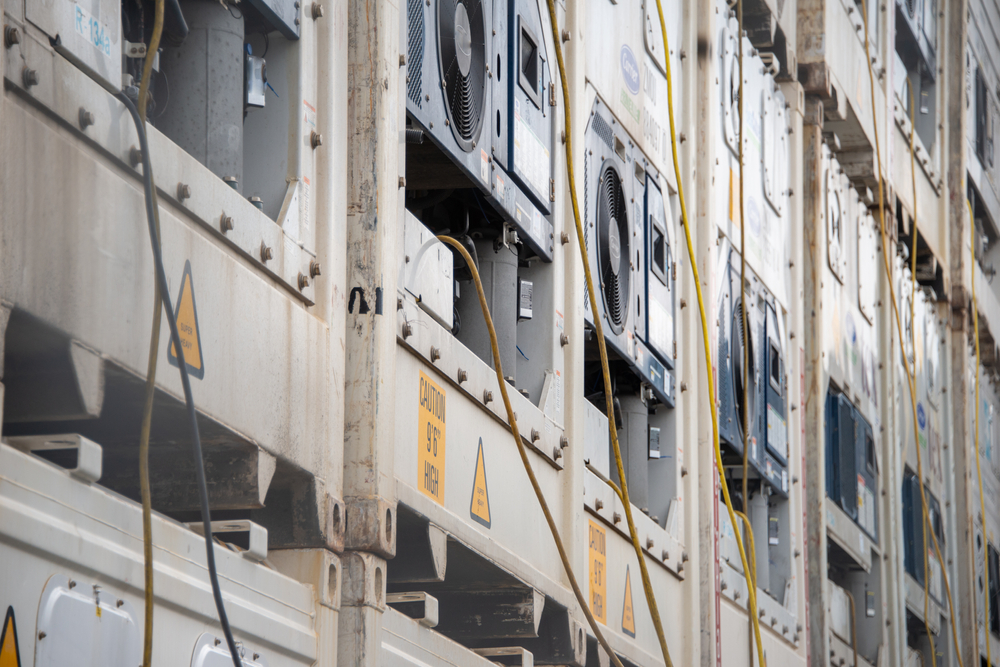
Refrigerated containers give you temperature-controlled storage without the cost or rigidity of permanent infrastructure. Their compact, self-contained design works across urban sites, regional farms, ports, and temporary locations, so you can place cold storage exactly where you need it.
You get precise temperature control across a wide operating range, protecting perishable goods from weather exposure and location-based risks. Modern systems keep food, pharmaceuticals, and other sensitive products stable, helping you meet compliance requirements while reducing spoilage and operational risk.
Speed and flexibility make refrigerated containers especially effective during peak periods. You can have units delivered and commissioned within days, scale capacity up or down as demand shifts, and position storage on-site to cut handling and transport costs. Options like 20ft refrigerated containers let you match capacity to access constraints and seasonal volume without long-term commitments.
Spotlight: Climatight’s Two Pallet Wide Containers
Climatight offers two pallet wide refrigerated containers designed for efficient palletised cold storage:
20ft Two Pallet Wide Refrigerated Container
The 20ft two pallet wide refrigerated container suits operations that need efficient palletised cold storage in a compact format. It works well for perishable goods, pharmaceuticals, and temperature-sensitive packaged products where space efficiency and controlled handling are critical.
Key features include:
- Internal dimensions of 5,450 mm × 2,356 mm × 2,695 mm, providing a compact footprint for sites with limited access.
- Payload capacity of 27,580 kg with a gross weight of 30,480 kg, supporting heavy palletised loads.
- Pallet-wide design for Australian standard pallets, fitting two 1,165 mm × 1,165 mm pallets side by side to reduce wasted space.
40ft Two Pallet Wide Refrigerated Container
The 40ft two pallet wide refrigerated container supports high-volume cold chain operations that require greater internal length and higher throughput. It suits large-scale storage and logistics for meat, produce, dairy, and pharmaceuticals.
Key features include:
- Internal dimensions of 11,584 mm × 2,356 mm × 2,695 mm, delivering extended storage capacity for higher-volume loads.
- Payload capacity of 29,330 kg with a gross weight of 34,000 kg, designed for heavier distribution requirements.
- Pallet-wide efficiency for Euro or ISO pallets, allowing two pallets side by side across the full container length.
Why These Two Pallet Containers Stand Out
Both container types use a pallet-wide design that maximises internal space and improves load efficiency. This reduces handling time and helps operations move goods faster during peak demand periods.
Flat internal flooring, internal lighting, and electronic entrapment alarms support safe handling and compliance with strict cold-chain requirements. Durable construction ensures reliable performance across demanding logistics environments and seasonal surges.
Learn more: What Are Two Pallet Wide Refrigerated Containers? What Are the Benefits?
Preparing for 2026: Why Act Early
If your business operates in food, beverage, or pharmaceuticals, refrigerated containers help you manage peak demand while protecting product quality and compliance. Retail, events, agriculture, and fisheries also benefit from flexible cold storage that supports seasonal surges without investing in permanent facilities.
Choosing the right reefer container starts with understanding your storage volume, temperature range, and operating conditions. Selecting the correct size improves efficiency, controls energy use, and avoids paying for unused capacity. Reliable power access or generator compatibility remains essential, especially for remote or temporary sites.
With 2026 peak periods expected to strain logistics networks, cold storage availability will tighten. Securing refrigerated containers early helps you lock in supply and pricing, while giving your team time to prepare sites, power connections, and workflows before demand surges.
Learn more: Top 10 Industries That Rely on Reefer Containers.
Stay Ahead of Seasonal Demand in 2026
Seasonal peaks reward preparation. Refrigerated containers support business continuity through flexible, efficient, and reliable cold storage when it matters most. Businesses that plan ahead protect margins and customer trust.
Climatight Containers offers refrigerated container rental options and refrigerated sea containers built for peak demand. Explore refrigerated containers or view our 20ft refrigerated containers. Contact sales@climatight.com.au or call 0475 000 560 to secure the best reefer container solution before the busy season hits.