


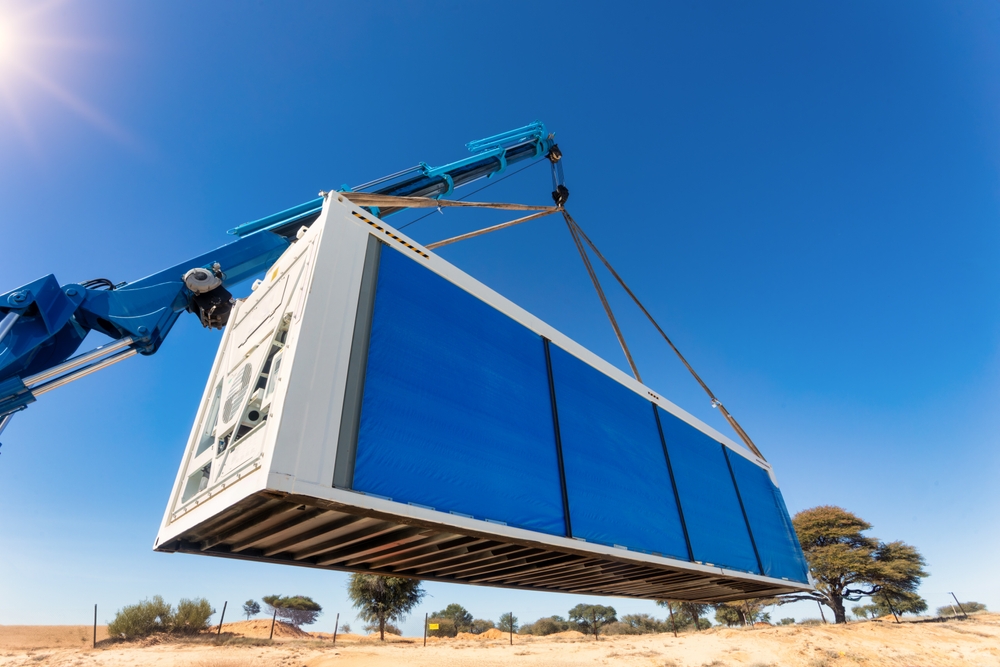
Refrigerated containers, also known as reefers, play a crucial role in global trade by preserving perishable goods during transport. These specialised containers come in various sizes, each suited for different cargo volumes and transportation needs.
Understanding how refrigerated containers work is crucial for efficient logistics planning. Let’s examine the main aspects of reefer power systems and how they function.
Understanding refrigerated containers
Insulated units with cooling systems maintain specific temperatures in refrigerated containers. They transport temperature-sensitive goods such as food, pharmaceuticals, and chemicals over long distances.
Basic components of refrigerated containers
The main components of a reefer include:
- Refrigeration unit
- Insulated walls, floor, and ceiling
- Temperature control system
- Power supply system
These elements work together to create a controlled environment for cargo preservation.
Learn more: How Do Refrigerated Shipping Containers Work?
Powering mechanisms for refrigerated containers
Refrigerated containers mainly use electricity and diesel for power. Electricity is most common at docking and holding facilities. Diesel powers generators and serves as a backup solution. Modern reefers focus on energy efficiency, using advanced insulation and cooling technologies to minimise power consumption.
Here is an overview of different energy sources that can keep refrigerated containers’ cooling systems running:
External power sources
At ports or storage facilities, operators typically connect reefers to shore power. This provides a stable electricity supply for continuous operation.
Onboard generators
Some refrigerated containers feature built-in generators. These allow for independent power generation during transit or in areas without external power access.
Diesel generators
Operators can use diesel generators in remote locations or when stationary power is unavailable. These portable units provide energy to keep the cooling system running.
Learn more: Why Hire a Shipping Container: Uses and Benefits
Operational power requirements
Power needs vary based on container size and cargo type:
10ft refrigerated containers
These smaller units require less power but offer limited capacity. They’re ideal for short-distance transport or temporary storage.
Our 10ft refrigerated container is perfect for small loads, offering a cubic capacity of 13.55m³. It can carry up to 8,200kg of goods, with a maximum weight of 10,100kg.
20ft refrigerated containers
Medium-sized reefers balance power consumption and cargo space. They’re versatile for various shipping needs.
Our 20ft refrigerated container is ideal for medium-sized loads. It provides 28.3m³ of space and can handle a payload of up to 27,360kg.
40ft refrigerated containers
Larger containers demand more power but provide maximum cargo capacity. They’re suitable for long-distance shipping and bulk goods.
Our 40ft refrigerated container is ideal for large shipments. It offers a spacious 59.3m³ capacity and can carry up to 27,700kg.
Single vs. Three-power refrigerated containers
Understanding the difference between single and three-phase refrigerated containers is essential for choosing the right system for your cooling needs.
Single phase containers
- Power supply: Use a single alternating current (AC) power line with one phase of electrical power.
- Operation: Ideal for use for lower power requirements, often used in homes or small businesses.
- Electric load: Handle lighter loads efficiently, making it ideal for small-scale operations.
Three-phase containers
- Power supply: Use three AC power lines, each with a phase of electrical power, providing a more robust and consistent power supply.
- Operation: Handle higher power needs in industrial and large commercial settings.
- Electric load: Manage heavy loads more efficiently, ensuring stable and reliable operation for large-scale refrigeration.
Climatight refrigerated containers run on a three-power system
✅ 380/460 Volts
✅ 32 Amps
✅ 4 or 5 Pin Wilco Type Plug
✅ 50/60hz Frequency
Power management and Monitoring
Effective power management is essential for refrigerated container operation. Modern reefers feature advanced monitoring systems that track:
- Temperature fluctuations
- Power consumption
- System performance
These systems help operators ensure consistent cooling and identify potential issues before they escalate.
Power supply and its impact on temperature and humidity control
With features like three-phase power and backup systems, our containers offer consistent performance.
- Stable temperature maintenance: Our refrigerated containers use advanced power systems to maintain precise temperatures, ensuring optimal storage conditions for various industries, such as food and beverage, mining, and floristry.
- Humidity control: The reliable power supply enables accurate humidity control, vital for preserving the quality of sensitive items such as fresh produce, flowers, and construction materials.
Selecting the right refrigerated container
When choosing a refrigerated container, it is important to consider several key factors:
- Power requirements for your specific cargo: If you need to transport perishable foods, pharmaceuticals, or chemicals, choose a container that meets the specific cooling requirements of these goods.
- Available power sources along the transport route: If your route includes stops with reliable shore power, opt for containers designed for such power sources. For remote areas, ensure the container can connect to generators or other backup power options.
- Energy efficiency ratings: If reducing operational costs and minimizing environmental impact are priorities, select containers with high energy efficiency ratings.
- Backup power options: If your route frequently experiences power outages, choose containers with reliable backup power solutions, like secondary generators or battery banks.
How do I book a refrigerated container?
We made the process of booking a refrigerated container simple and straightforward:
- Step 1: Fill out the form or contact us
You can simply fill out a form, call us at 0475 000 560 or send us an email at sales@climatight.com.au. Our knowledgeable team is more than happy to assist you with your booking and answer any questions that you might have.
- Step 2: Get a free quote
Climatight is built on fair and upfront pricing, expect the same for your refrigerated containers. We are happy to provide a free quote based on your needs.
- Step 3: Book your container for delivery
We have pickup options available, but we can also deliver refrigerated containers of all shapes and sizes directly to your door.
Understanding how refrigerated containers are powered is essential for top-notch cold chain logistics. Thanks to our reliable systems, from external power sources to onboard generators, you can trust us to keep your perishable goods at perfect temperatures.
For expert advice on selecting the right refrigerated container for your needs, contact Climatight Containers. Email us at sales@climatight.com.au or call 0475 000 560 to discuss your requirements.
Follow us on Instagram, Facebook, and LinkedIn for the latest updates, tips, and industry news.